To say that one has comprehended a text is to say that she has found a mental “home” for the information in the text, or else that she has modified an existing mental home in order to accommodate that new information.

To say that one has comprehended a text is to say that she has found a mental “home” for the information in the text, or else that she has modified an existing mental home in order to accommodate that new information.

Prompted by new standards for increased text complexity, the review investigates the relationships
between text difficulty and reading fluency and comprehension.

One’s comfort with today’s science of reading seems to depend on which instructional approaches one advocates and what one is willing to accept as determinative evidence. [In] this article, I delve into the nature of the kind of evidence that should be the basis of a science of reading instruction.

In this article, we will explore ways to address these three issues when using the compare-contrast text structure with ELL students in the primary grades.

This chapter is about how English-speaking children learn to encode and decode their written language, that is, their alphabetic orthography. With the learning loss and growing achievement gap during the COVID-19 pandemic, this topic is highly significant in spite of decades of research and consensus reports documenting the compelling evidence for explicit and systematic teaching of the alphabetic code.
![Designing Content-Area Text Sets [PDF] by William E. Lewis and John Z. Strong](https://thereadingforum.com/wp-content/uploads/2023/03/Screenshot-2023-03-13-at-2.12.49-PM-721x1024.png)
In this chapter we provide you with a framework for designing integrated sets of related texts that not only provide your students increased reading volume but also give them the critical background knowledge needed to make complex texts accessible.
![Investigating a Text Structure Intervention for Reading and Writing in Grades 4 and 5 [PDF] by John Z. Strong](https://thereadingforum.com/wp-content/uploads/2023/02/Screenshot-2023-02-27-at-10.50.47-AM-1-821x1024.png)
Reading has cognitive consequences that extend beyond its immediate task of lifting meaning from a particular passage….Accumulated over time, they carry profound implications for the development of cognitive capabilities.

Reading has cognitive consequences that extend beyond its immediate task of lifting meaning from a particular passage….Accumulated over time, they carry profound implications for the development of cognitive capabilities.

When it comes to teaching reading, we believe that many of the disputes surrounding best practices are the result of taking what is appropriate for some children and applying it to all learners.
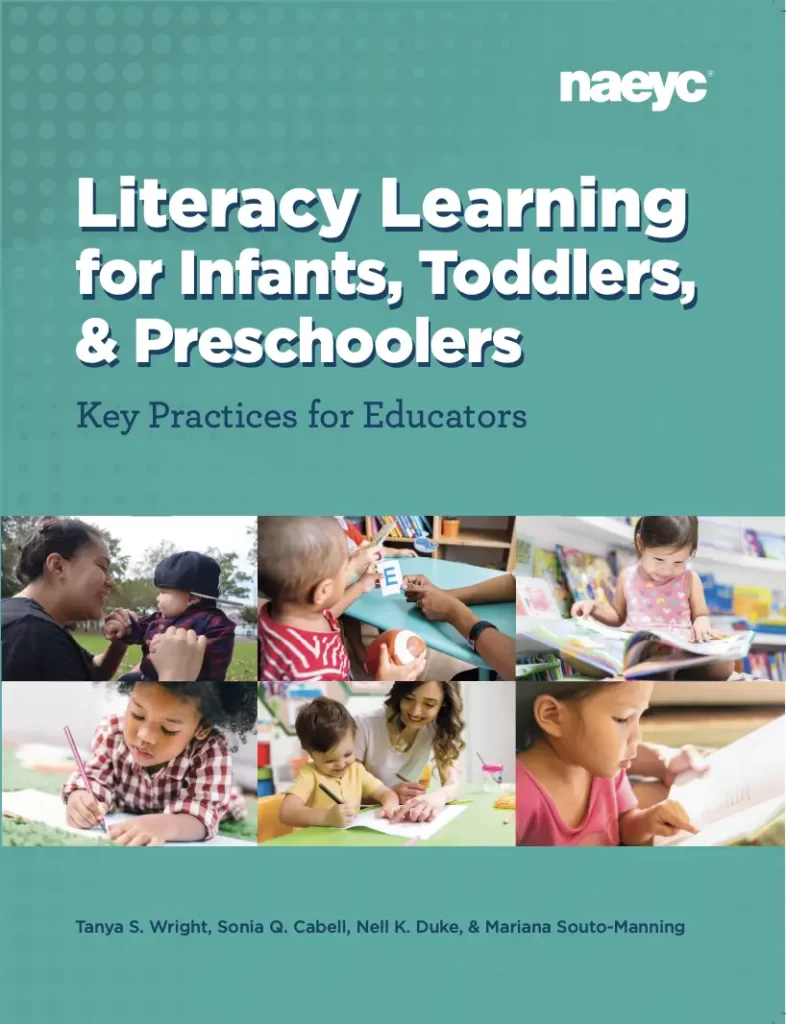
From some of the foremost early literacy development experts in the field comes this practical resource for all educators of infants, toddlers, and preschoolers.

 42
42 0
0

 1.12k
1.12k

 4201.12k